Why Some Tenants Refuse to Leave After Rent Expires (And What Landlords Can Do)
Emmanuel Preko Boamah
April 24, 2026 • 4 min read
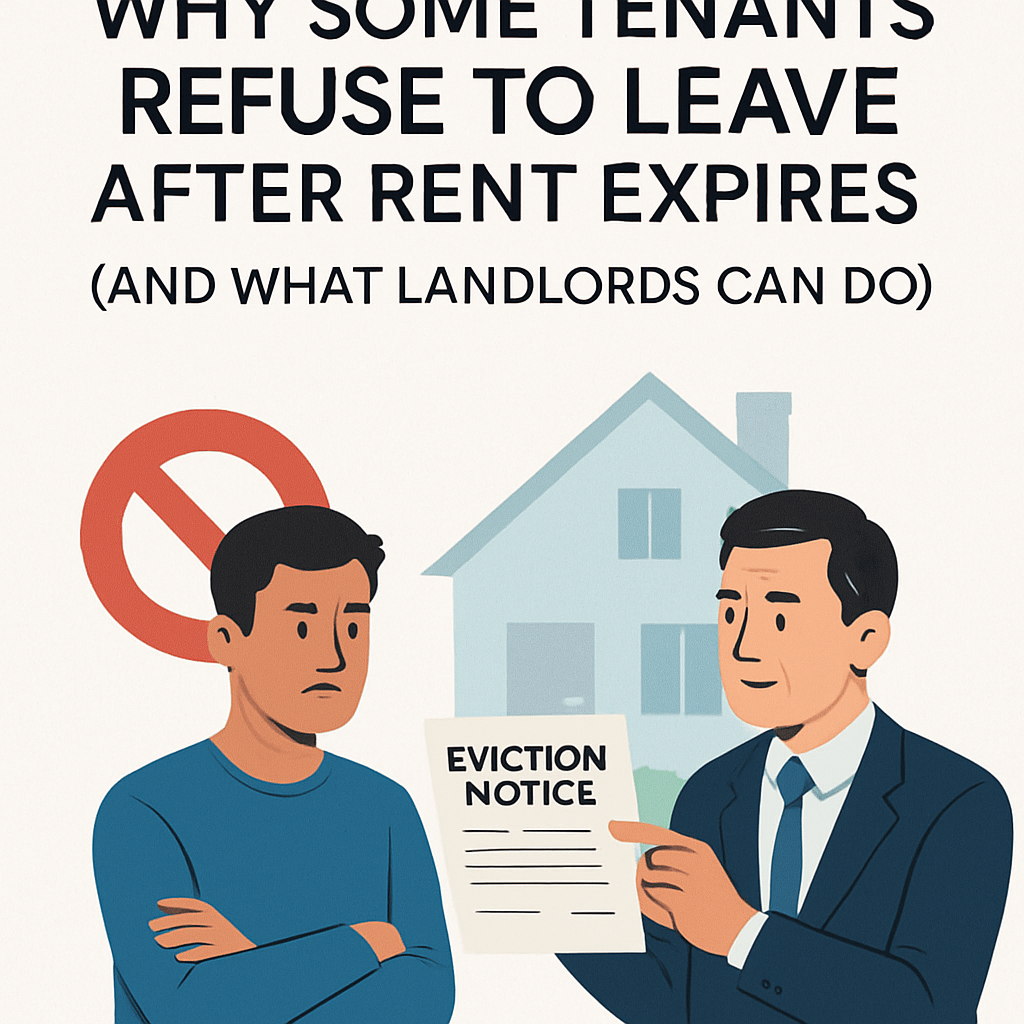
Evicting a tenant in Ghana is often far more complicated than many people assume. A common frustration among landlords arises when a tenant’s rent expires, yet the tenant refuses to vacate the property. This situation can lead to tension, financial loss, and legal battles if not handled properly.
To deal with this effectively, landlords must first understand why tenants behave this way and then follow the correct legal steps to resolve the issue.
Why Some Tenants Refuse to Leave
There are several reasons why tenants may refuse to vacate a property after their tenancy has ended:
1. Difficulty Finding Alternative Accommodation
Housing shortages and high rental costs in many parts of Ghana make it difficult for tenants to secure new accommodation quickly. As a result, some tenants delay leaving simply because they have nowhere else to go.
2. Financial Challenges
Some tenants may not have the financial capacity to pay for a new place, especially with the common demand for advance rent payments (often 1–2 years). This financial pressure can lead them to overstay.
3. Misunderstanding of the Law
Many tenants believe they cannot be removed unless the landlord provides compensation or alternative housing. Others assume that once they are inside the property, they have indefinite rights.
4. Deliberate Exploitation of the System
In some cases, tenants are fully aware of the delays in the legal eviction process and intentionally take advantage of it, knowing the landlord cannot easily remove them.
5. Influence of “Rent Activism”
Growing public discussions around tenant rights sometimes lead to misinformation, encouraging some tenants to resist eviction even when they are legally required to leave.
The Legal Eviction Process in Ghana
In Ghana, eviction is strictly regulated under laws such as the Rent Act, 1963 (Act 220). Landlords must follow due process to avoid legal consequences.
Step 1: Serve Proper Notice
The landlord must formally notify the tenant that their tenancy has ended and request that they vacate the premises. This notice should be clear, documented, and reasonable.
Step 2: File a Case in Court
If the tenant refuses to leave after notice, the landlord must file for recovery of possession in court. This is the only lawful way to remove a tenant who refuses to vacate.
Step 3: Court Hearing and Judgment
The court will hear both parties and decide whether the landlord is entitled to possession. If the ruling is in favor of the landlord, an eviction order will be issued.
Step 4: Enforcement
Only court-authorized officers (such as bailiffs) can enforce the eviction order. Any attempt by the landlord to forcefully remove the tenant without court approval is illegal.
⚠️ Important:
Landlords must never:
- Change locks
- Remove tenant belongings
- Disconnect utilities to force eviction
These actions can lead to legal penalties and even compensation claims by the tenant.
Common Tactics Used by Tenants to Delay Eviction
Some tenants intentionally delay the eviction process using various strategies, including:
- Ignoring eviction notices
- Filing counter-claims or complaints
- Requesting repeated adjournments in court
- Claiming unlawful rent charges
- Refusing to accept court documents
Understanding these tactics helps landlords prepare better and avoid unnecessary delays.
Faster Legal Alternatives for Landlords
Although eviction cases can take time, landlords can explore some strategies to speed up the process:
1. Negotiation and Settlement
Sometimes, offering a short grace period or partial refund can encourage tenants to leave voluntarily, saving time and legal costs.
2. Mediation through Authorities
Engaging the Rent Control Department or local mediation bodies can help resolve disputes without going through a lengthy court process.
3. Proper Documentation
Having a well-drafted tenancy agreement, payment records, and written notices strengthens the landlord’s case and reduces delays.
4. Use of Legal Professionals
Working with a lawyer ensures that the process is handled correctly and efficiently, minimizing errors that could cause delays.
Final Thoughts
Dealing with tenants who refuse to leave after rent expires can be stressful, but landlords must remain calm and follow the law. Taking shortcuts or acting out of frustration can make the situation worse.
By understanding tenant behavior, preparing proper documentation, and following the correct legal procedures, landlords in Ghana can protect their property and resolve disputes more effectively.
Related Posts
Ghana's Rent Control Law of 1986 (PNDC 138)
Mar 16, 2026
Ghana Rent Bill, 2023
Mar 16, 2026