
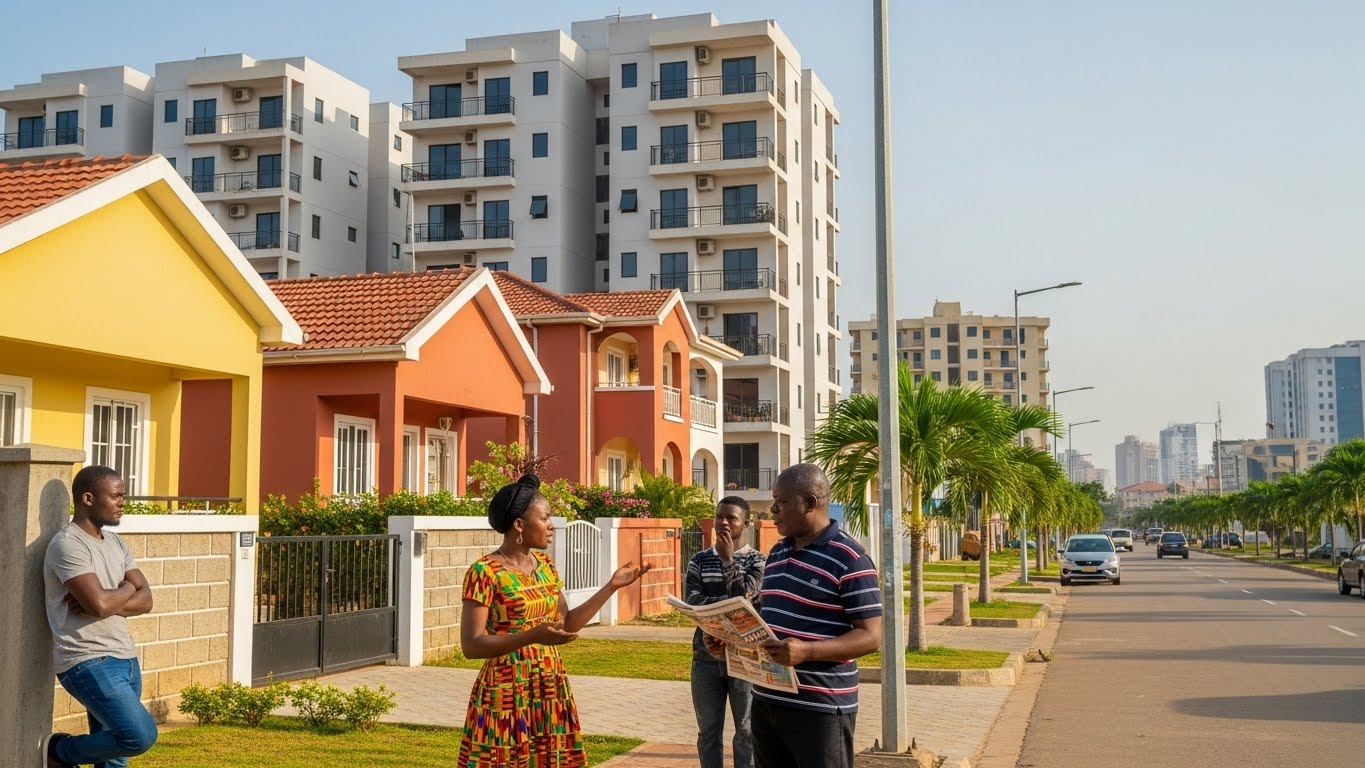
Why Rent Rates Are High in Ghana and What Must Be Done to Ensure Affordable Housing
Rent rates in Ghana continue to rise beyond the reach of many households, especially in urban areas. This article explores the key reasons behind high rent costs and outlines practical solutions government, private developers, and communities can adopt to ensure affordable housing for all.
Introduction
Access to affordable housing has become one of Ghana’s most pressing social and economic challenges. Across major cities such as Accra, Kumasi, Takoradi, and Sunyani, rent prices have risen sharply over the past decade, placing immense financial pressure on individuals and families. For many Ghanaians, rent now consumes a significant portion of monthly income, leaving little room for savings or other essential needs. Understanding why rent rates are high and what can be done to control them is critical to addressing Ghana’s housing crisis.
Why Rent Rates Are High in Ghana
1. Housing Deficit and High Demand Ghana faces a housing deficit estimated in the millions. Rapid urbanization, population growth, and rural-to-urban migration have increased demand for accommodation, especially in cities. Unfortunately, housing supply has not kept pace with this growing demand, leading to competition for limited rental properties and pushing prices upward.
2. High Cost of Building Materials Most building materials in Ghana—such as cement, iron rods, tiles, and roofing sheets—are expensive, with many relying on imports. Currency depreciation and inflation further increase construction costs, which landlords often pass on to tenants through high rent charges.
3. Cost of Land Acquisition and Documentation Land acquisition in Ghana is costly and complex. Multiple ownership claims, litigation, and high charges for land registration, stool land consent, and title documentation significantly increase the overall cost of property development. These costs are ultimately reflected in rent prices.
4. Weak Enforcement of Rent Laws Although Ghana has a Rent Act intended to regulate landlord-tenant relations, enforcement remains weak. Many landlords demand advance rent payments of two to five years, despite legal limits. The lack of effective monitoring and penalties encourages rent exploitation.
5. Limited Government Investment in Public Housing Government-led affordable housing projects have been limited in scale and continuity. Without strong public housing interventions, the private sector dominates the rental market, often prioritizing profit over affordability.
6. Speculation and Short-Term Rentals The growth of short-term rentals and real estate speculation has reduced the number of properties available for long-term tenants. In high-demand areas, landlords often prefer higher-paying short-term tenants, further driving up rent prices.
What Needs to Be Done to Ensure Affordable Rent in Ghana
1. Strengthen Enforcement of the Rent Act The Rent Control Department must be adequately resourced to enforce rent laws, particularly regarding advance rent limits. Clear penalties for violations and accessible complaint mechanisms will protect tenants from abuse.
2. Increase Public and Affordable Housing Development Government should partner with private developers, cooperatives, and financial institutions to build large-scale affordable housing estates across the country. Incentives such as tax reliefs and subsidized land can encourage developers to focus on low- and middle-income housing.
3. Reduce the Cost of Building Materials Policies that support local production of building materials and reduce import duties can significantly lower construction costs. Stabilizing the cedi and controlling inflation will also help reduce housing development expenses.
4. Reform Land Administration Systems Streamlining land registration, digitizing records, and reducing documentation costs will lower barriers to property development. Clear and secure land tenure systems encourage investment and reduce disputes that inflate housing costs.
5. Promote Rent-to-Own and Mortgage Schemes Expanding access to affordable mortgage financing and rent-to-own schemes can reduce pressure on the rental market by enabling more people to own homes over time.
6. Encourage Data Transparency in the Rental Market Establishing national rental databases and property listing platforms can promote transparency, reduce arbitrary pricing, and help tenants make informed decisions.
Conclusion
High rent rates in Ghana are the result of systemic challenges, including housing shortages, high construction costs, land administration issues, and weak regulatory enforcement. Addressing these challenges requires coordinated action from government, the private sector, and civil society. With the right policies and sustained commitment, Ghana can build a fair, transparent, and affordable rental housing market that supports economic growth and social stability.
 Ghana’s New Rent Act: Will It Protect Landlords and Tenants Fairly?Jul 7, 2026
 Government to Implement New Rent Legislation for Enhanced Tenant ProtectionJul 7, 2026
 Rent Control Commissioner Cautions Public About Unregistered Rent AgentsJul 3, 2026