
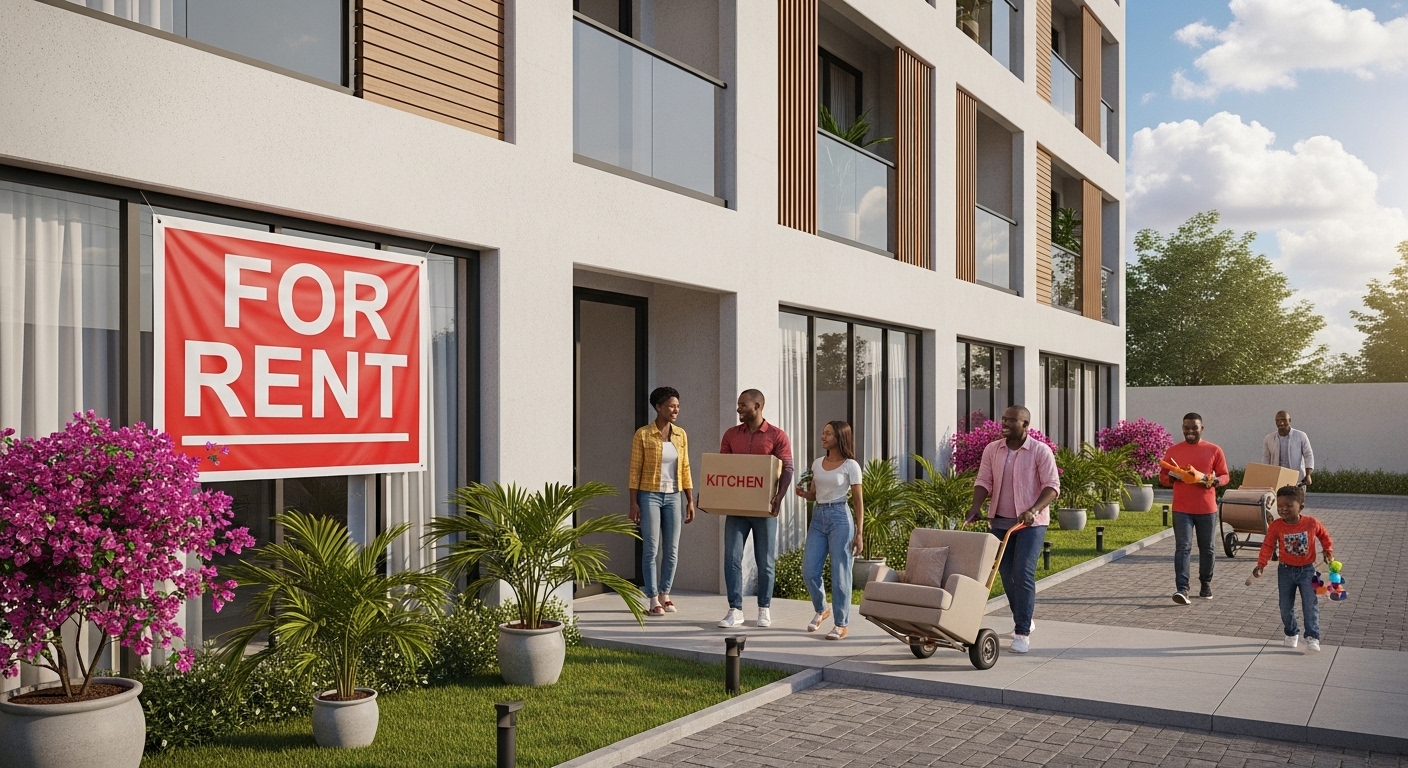
🏗 How Landlords Can Attract Quality Tenants and Avoid Vacancy
Vacancy is every landlord’s nightmare. But attracting quality tenants doesn’t have to be difficult. With fair pricing, proper maintenance, professional listings, and digital rent platforms, property owners in Ghana can secure reliable tenants faster and keep their investments profitable.
Owning rental property is one thing — keeping it occupied with responsible tenants is another. In Ghana’s competitive housing market, landlords must go beyond simply listing a property. The key to avoiding vacancy lies in value, presentation, and trust.
1. Fair Pricing
Tenants are increasingly savvy, comparing listings across multiple platforms. Overpricing leads to longer vacancies, while underpricing can attract unreliable tenants.
Tip: Research average rents in your area and set a competitive price that reflects the property’s condition and amenities.
2. Maintenance Matters
A well-maintained property signals professionalism and care. Tenants are more likely to stay longer when they feel comfortable and safe.
Tip: Regularly inspect plumbing, electrical systems, and security features. Fresh paint, clean surroundings, and functional appliances make a big difference.
3. Professional Listings
First impressions count. Poorly written ads or blurry photos can turn away serious tenants.
Tip: Use high-quality images, detailed descriptions, and highlight unique features such as proximity to schools, transport, or shopping centers. Transparency builds trust.
4. Digital Rent Platforms
Technology is transforming Ghana’s rental market. Platforms like Ghana Rent Link allow landlords to connect directly with tenants, showcase verified properties, and communicate securely.
Tip: Listing on digital platforms increases visibility, reduces reliance on middlemen, and ensures faster tenant acquisition.
 Why Every Landlord Needs a Digital System to Manage PropertiesApr 24, 2026
 Rent Commissioner Takes Action Against Landlady Over Tenant's Forced EvictionOct 16, 2026
 How to Find a House for Rent in Ghana Without Wasting TimeSep 29, 2026