
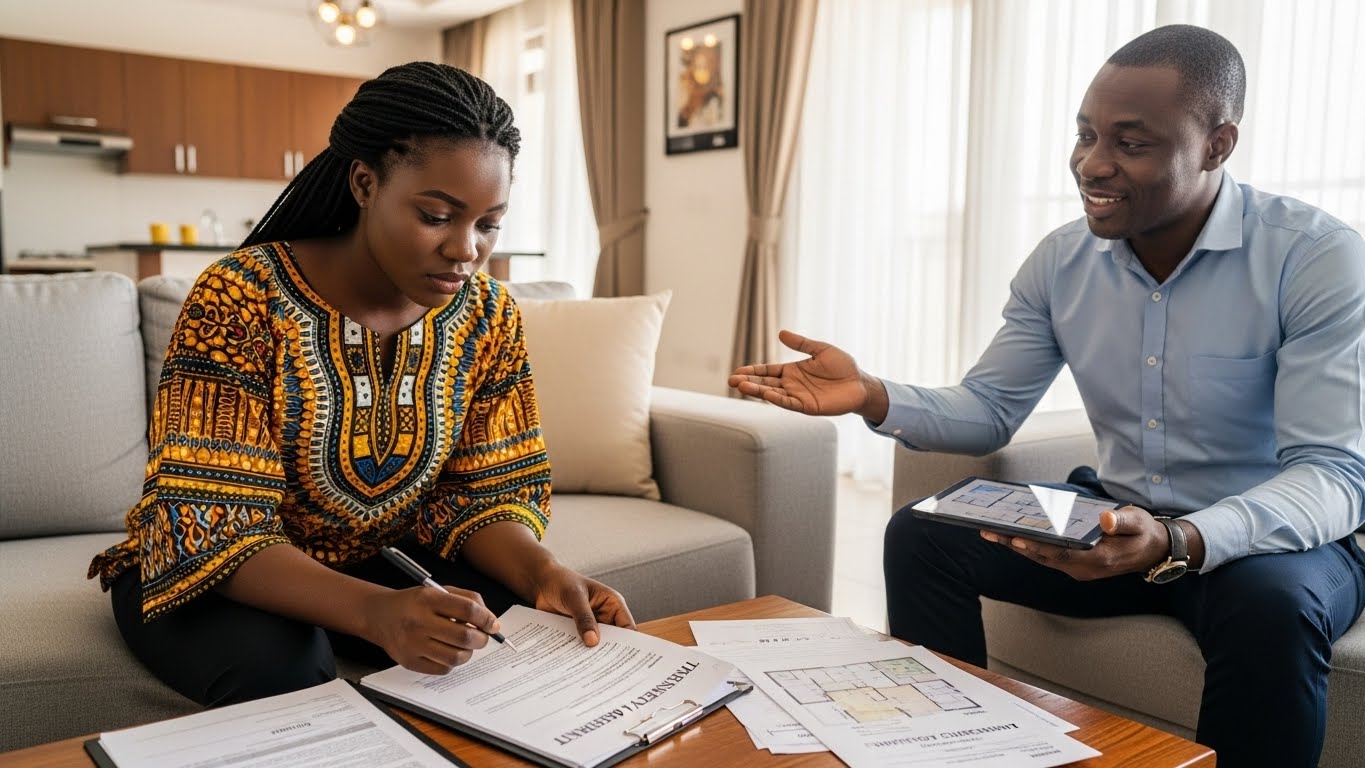
3 Mistakes Tenants Make When Renting in Ghana
Renting a room, apartment, or house in Ghana can be stressful and expensive if you are not careful. Many tenants make avoidable mistakes that lead to financial loss, eviction, or legal trouble. This article highlights three common mistakes tenants make when renting in Ghana and how to avoid them.
Renting property in Ghana has become increasingly challenging due to high demand, limited supply, and poor enforcement of tenancy laws. Whether you are a student, a working professional, or a family, understanding the rental process can save you money and protect your rights. Below are three major mistakes tenants commonly make when renting in Ghana.
1. Paying Rent Without Proper Documentation
One of the biggest mistakes tenants make is paying rent without demanding proper documentation. Many landlords or agents collect large sums of money without issuing receipts or tenancy agreements.
Without a written tenancy agreement, tenants have little or no legal protection in case of disputes. According to Ghana’s Rent Act, a tenancy agreement should clearly state the rent amount, duration, payment terms, and obligations of both parties.
How to avoid this mistake:
- Always request a written tenancy agreement before paying rent
- Ensure receipts are issued for all payments
- Confirm that the landlord is the rightful owner or authorized representative
2. Paying Excessive Advance Rent
Despite the Rent Act recommending limited advance rent, many tenants still pay two to five years’ rent upfront due to desperation or lack of knowledge.
This practice places unnecessary financial pressure on tenants and gives landlords unfair control over the tenancy relationship.
How to avoid this mistake:
- Know your rights under Ghana’s Rent Act
- Negotiate for reasonable advance rent
- Report exploitative practices to the Rent Control Department
3. Skipping Property Inspection
Some tenants rush into renting properties without thoroughly inspecting the space. This often leads to problems such as faulty plumbing, poor wiring, water shortages, or structural defects after moving in.
Once you move in, landlords may refuse to fix issues that existed before occupancy.
How to avoid this mistake:
- Inspect the property physically before payment
- Test water flow, electricity, doors, and windows
- Take photos or videos of existing defects
Final Thoughts
Renting in Ghana does not have to be a nightmare. By insisting on proper documentation, avoiding excessive advance rent, and inspecting properties carefully, tenants can protect themselves from unnecessary stress and financial loss.
Platforms that connect tenants directly to verified landlords can also help eliminate middlemen and promote transparency in the rental market.
 INCOME TAX ACT, 2015 (ACT 896) AS AMENDEDMar 18, 2026
 Understanding Tenant Rights During Eviction in GhanaMar 4, 2026
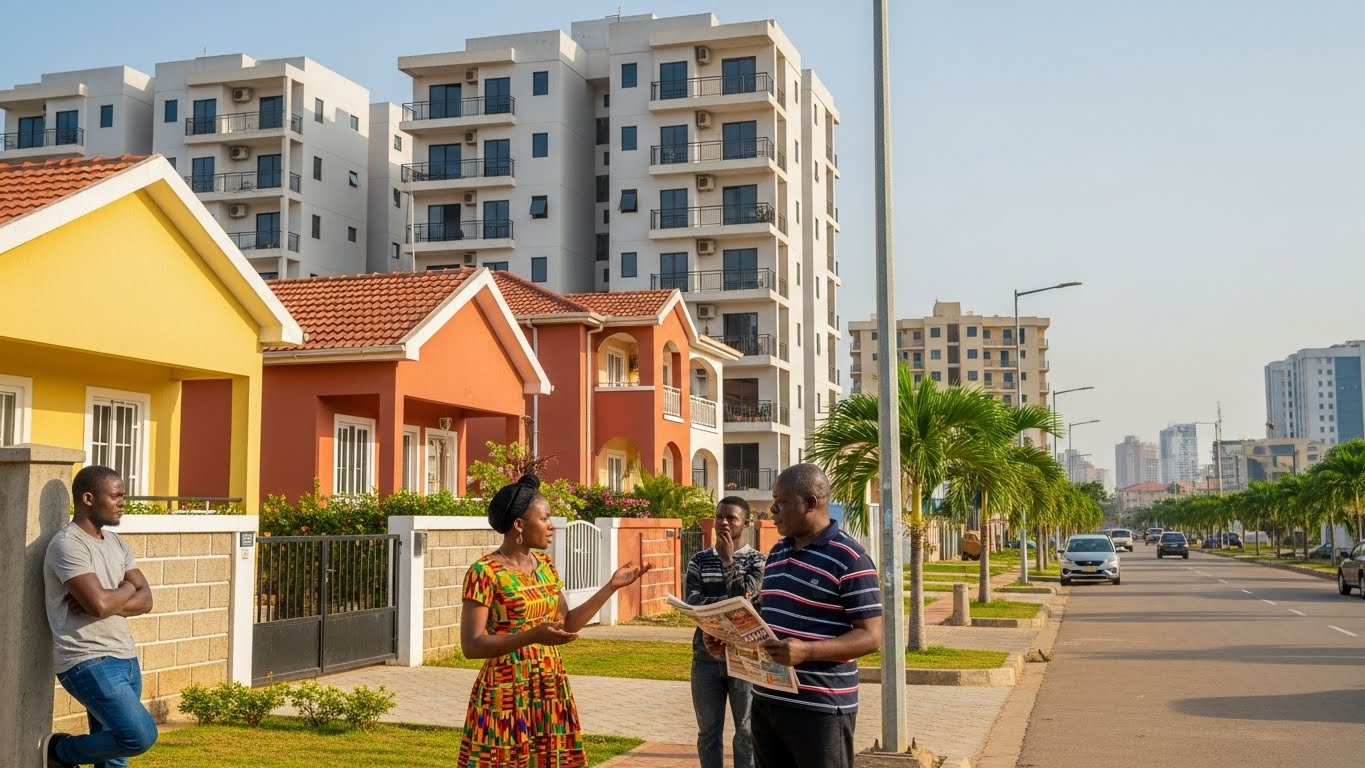 Investigative Report: Agents, Commissions, and the Rising Cost of Rent in GhanaFeb 13, 2026