
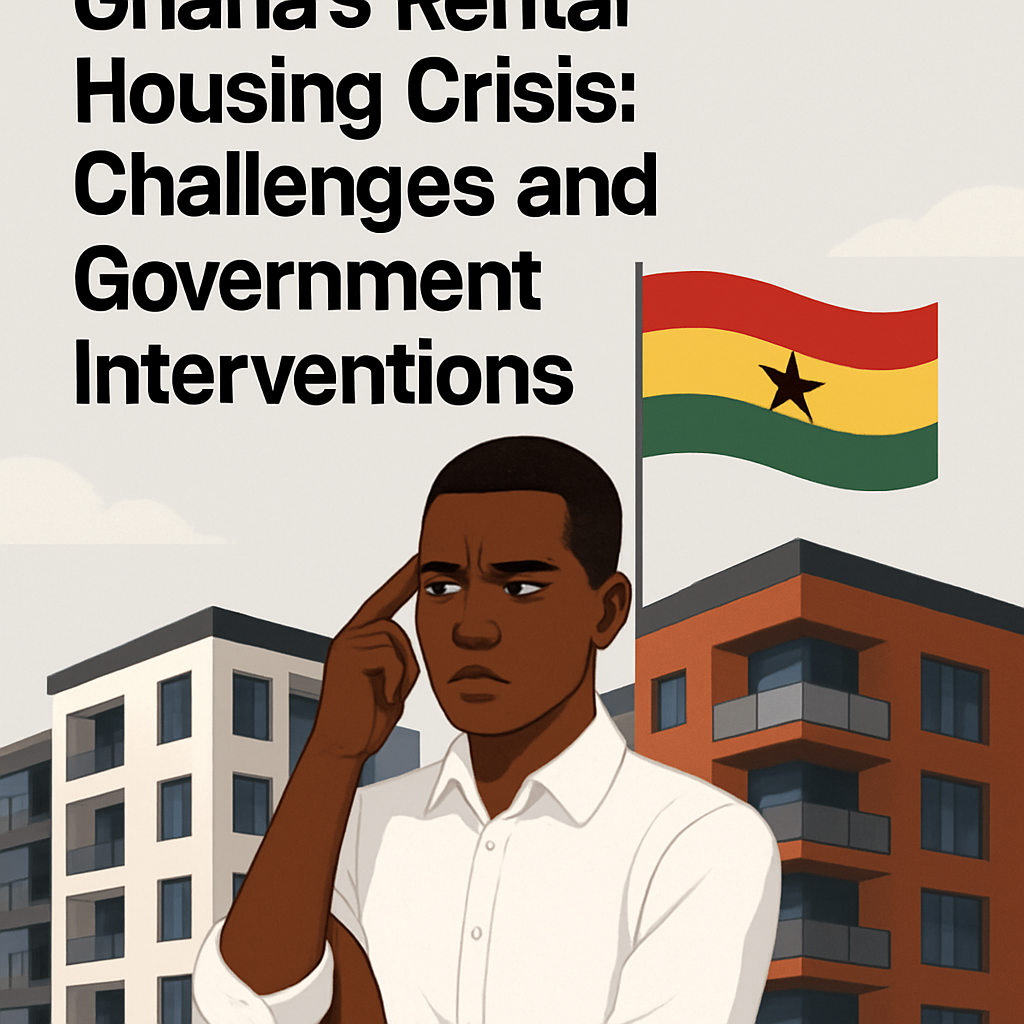
Ghana's Rental Housing Crisis: Challenges and Government Interventions
Ghana's rental housing sector is in turmoil due to high demand, economic inflation, and a significant housing deficit. This article explores the core issues and recent government interventions aimed at alleviating the crisis.
Ghana's Rental Housing Crisis: Challenges and Government Interventions
The rental housing sector in Ghana is currently facing a severe crisis, driven by a combination of high demand, economic inflation, and a massive housing deficit. This situation has left many low and middle-income earners struggling to secure affordable housing, leading to widespread concerns about the future of rental accommodation in the country.
Core Rent Issues in Ghana
Excessive Advance Rent
Despite the law capping advance rent at a maximum of six months, it is common for landlords to demand one to two years' worth of rent upfront. In extreme cases, some landlords even request up to five years in advance. This practice pushes many low and middle-income earners into crippling debt, making it increasingly difficult for them to access safe and stable housing.
Arbitrary Rent Hikes
As inflation continues to rise alongside high property taxes and increasing utility costs, landlords have been hiking rental prices well beyond legally approved thresholds. This trend not only places additional financial strain on tenants but also exacerbates the existing housing crisis.
Housing Deficit & Urban Pressure
Rapid urbanization, particularly in and around Accra, has resulted in a significant demand for housing that vastly outpaces supply. While private developers focus primarily on constructing high-end luxury apartments, many regular families find themselves squeezed into peri-urban slums with limited access to essential services.
Unregistered Agreements
Many landlords neglect to register tenancy agreements or issue the mandatory rent cards within the legally required timeframe, violating Section 4 of PNDC Law 138. This lack of compliance further complicates the rental landscape for tenants.
Exploitative Agency Fees
Prospective tenants are often burdened with exorbitant commissions and fees charged by unregulated property agents, adding yet another layer of financial strain to the already challenging process of securing rental accommodation.
Recent Government Interventions (2026)
Proactive Enforcement & Task Force
In response to the ongoing crisis, the Ghanaian government has initiated proactive measures to address these concerns. Led by Acting Rent Commissioner Frederick Opoku, the Rent Control Department has established a nationwide uniformed Rent Task Force. This task force operates through local Metropolitan, Municipal, and District Assemblies (MMDAs) to inspect properties, penalize landlords demanding over six months' advance rent, and prosecute violators.
Strict Penalties
Landlords who fail to register tenancy agreements or issue rent cards now face heavy fines or even imprisonment for up to six months. These strict penalties aim to enforce compliance and protect tenants' rights.
Foreign Tenant Compliance
Authorities are also collaborating with the Ghana Immigration Service to crack down on landlords who rent to foreigners lacking valid residence permits, ensuring that all rental agreements comply with legal requirements.
Digital Access
To further support tenants and landlords, the Rent Control Department has launched a portal allowing both parties to access information and log official complaints. This digital access is a significant step towards transparency and accountability in the rental housing sector.
Conclusion
The challenges facing Ghana's rental housing sector are complex and multifaceted. However, with recent government interventions and a commitment to enforcement, there is hope for a more equitable rental market that prioritizes the needs of all residents.
 Rent Commissioner Takes Action Against Landlady Over Tenant's Forced EvictionOct 16, 2026
 How to Find a House for Rent in Ghana Without Wasting TimeSep 29, 2026
 Ghana's Rent Control Task Force to Enforce New Regulations in 2027Sep 25, 2026